


Calk: Weight on Track
Calk tracks calories through editable meals, then uses your Nutrition Report and weight trend to help you stop logging every day.
About Calk: Weight on Track
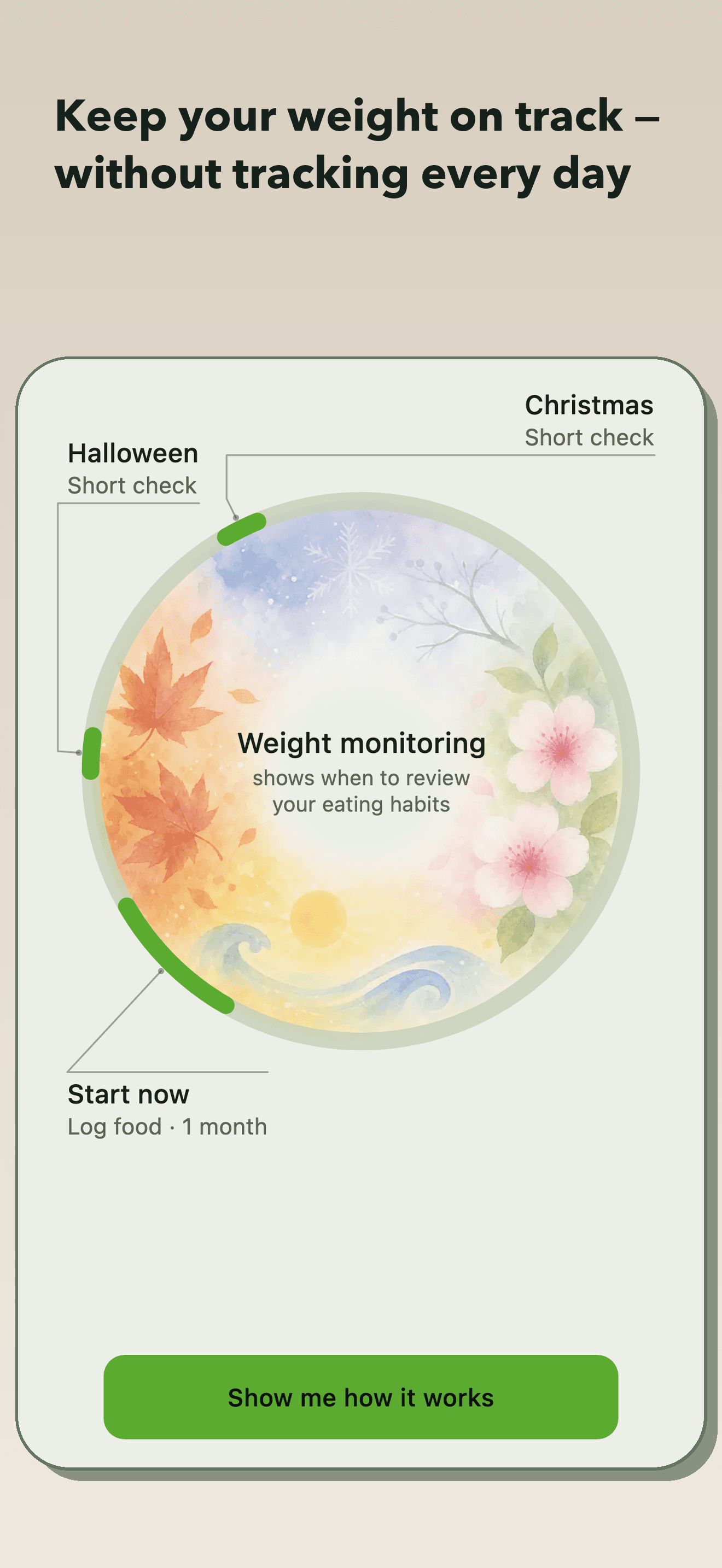
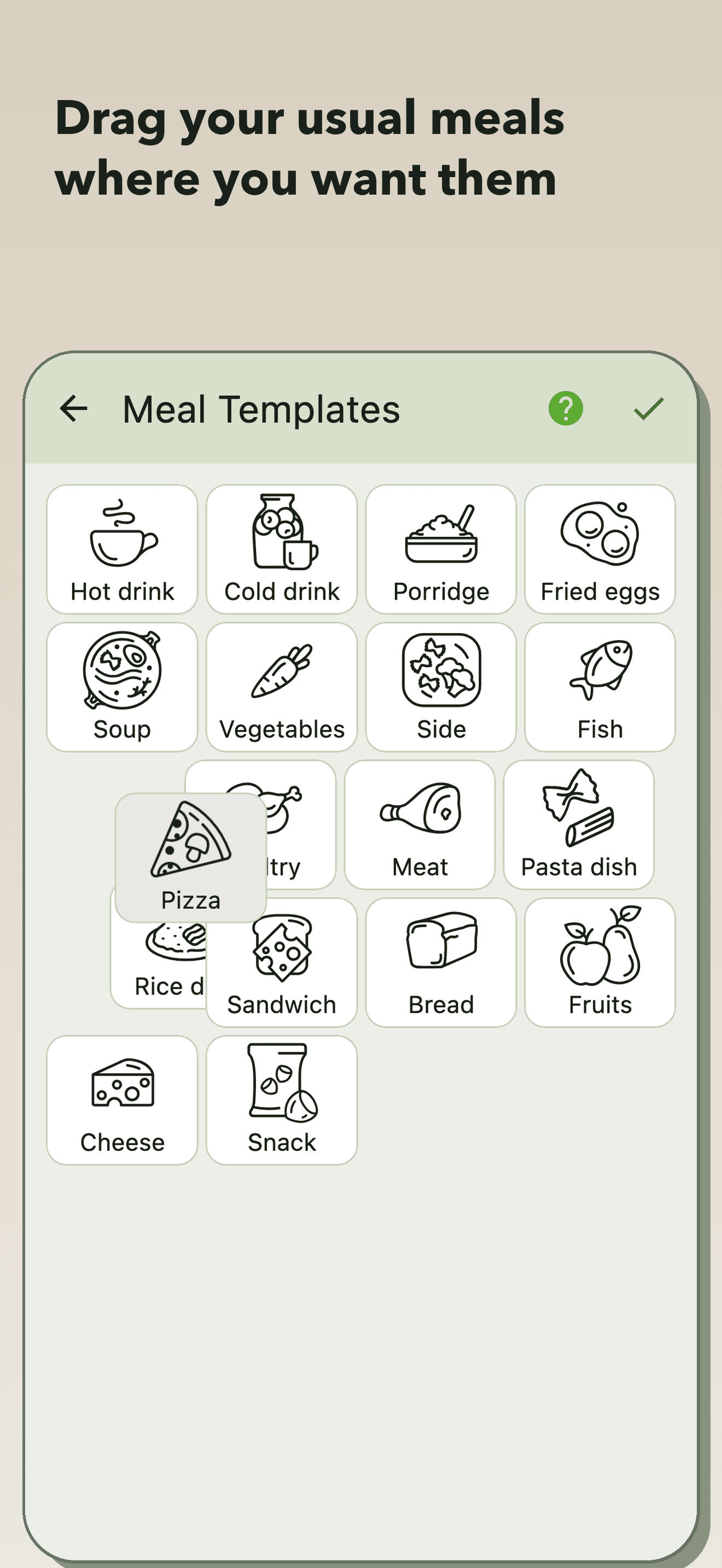
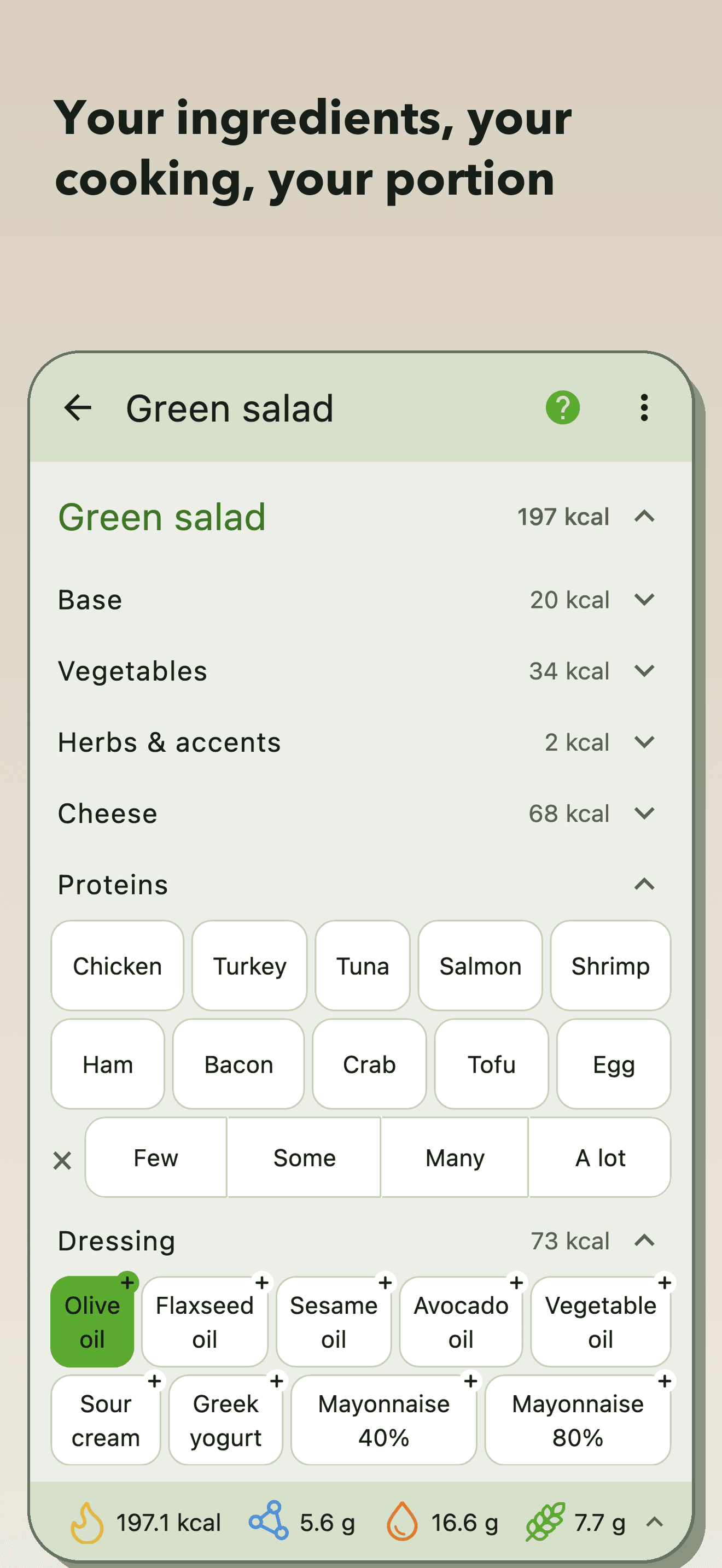
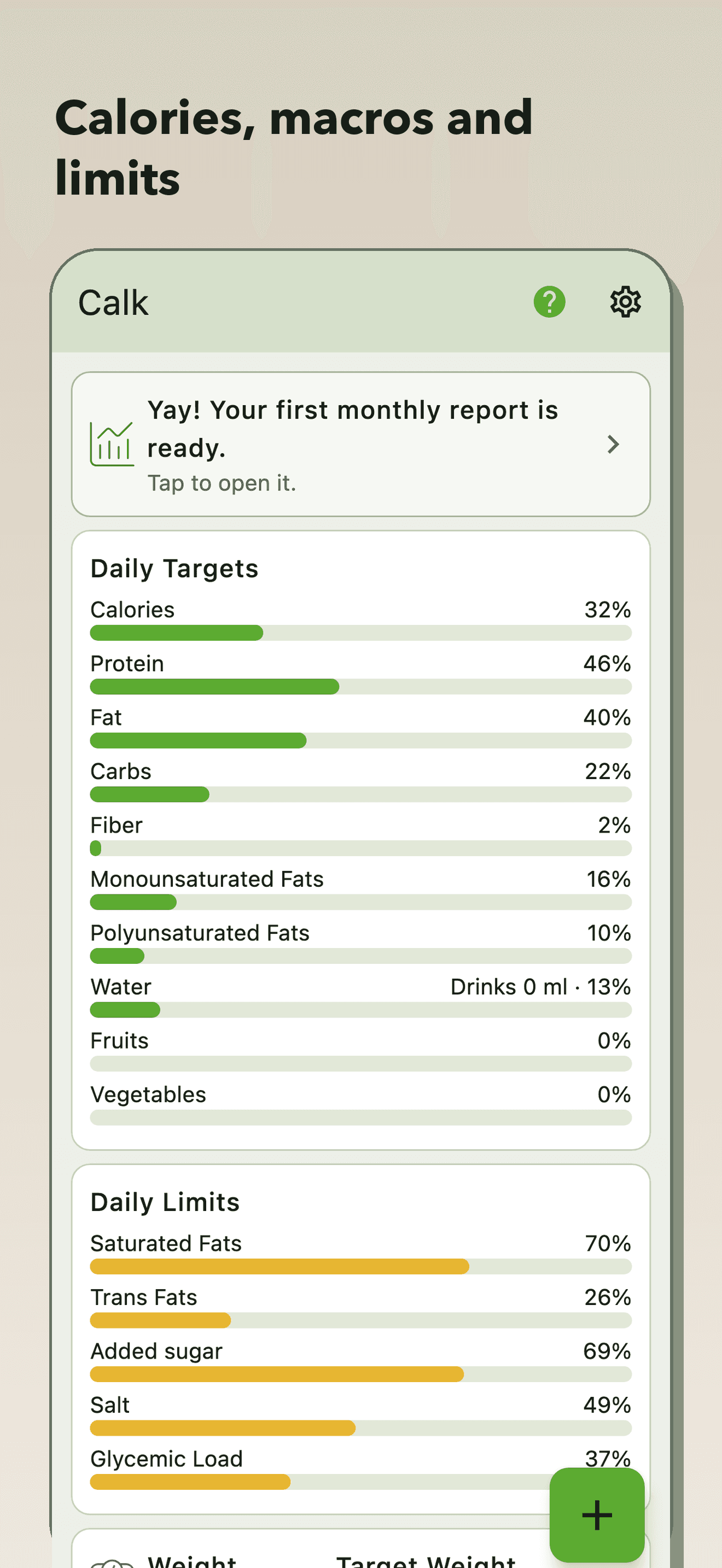
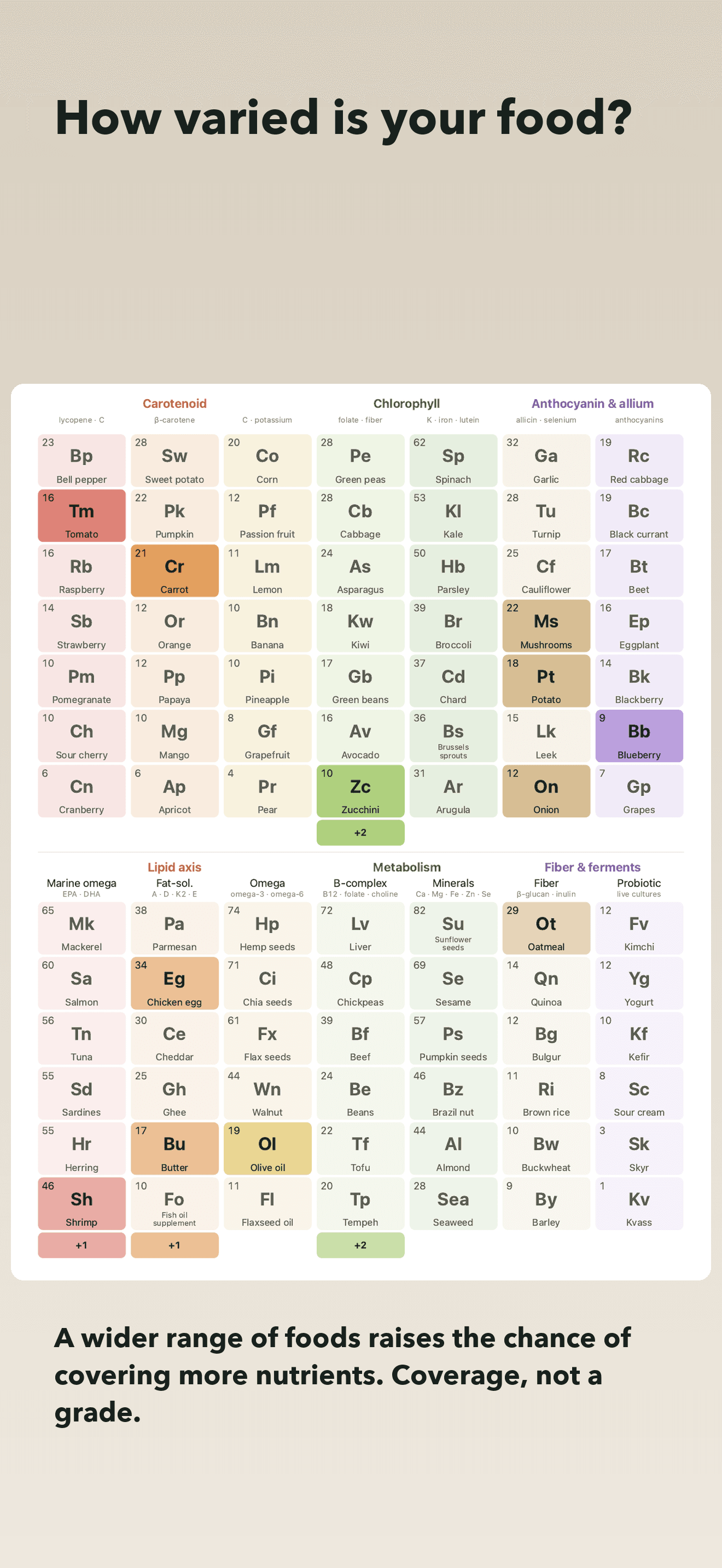
Calk is a calorie and nutrition tracker for people tired of database searches, photo AI guesses, and permanent food logging. Users choose a familiar meal template, then adjust its ingredients, cooking method, extras, and portion. Calk recalculates calories, macros, vitamins, and minerals using checked food data. Unlike traditional calorie counters, Calk is designed around focused logging with an endpoint. A month of tracking produces a personal Nutrition Report that reveals recurring meals and nutrition patterns. Once users understand their baseline, they can step back from food logging and follow their weight trend. If the trend changes, another short food check may be useful. Core logging, calorie and macro targets, weight tracking, and the seven-day Variety Map are free. The first 30 days include the first Nutrition Report and full insights. Calk is available on iPhone, iPad, and Android, works offline, and contains no ads.
What Calk: Weight on Track does that nothing else does
Calk gives calorie tracking an endpoint: log for a focused month, get a Nutrition Report, then let your weight trend tell you when to check again.
Who Calk: Weight on Track is for
For adults who want to lose or maintain weight without logging forever. Best for editable meals and focused food checks. Skip it if you mainly want barcode scanning, photo AI, or meal plans.
Written up on SpacerrApps
Apps like Calk: Weight on Track

Snapkin0 clicks
Snapkin is a calorie tracker you use by photographing your plate. Made by Robot Studios, an independent software company in Belgium.
Health, Food, Fitness

Kygo Health13 clicks
See how food actually affects your sleep, HRV, and recovery, backed by your own data. Log food in 20 seconds on iOS, Android or the web. Discover personal health patterns.
Health, Fitness, Food

Flexor App17 clicks
Flexor App delivers guided stretching, mobility, flexibility, and recovery routines, with AI-assisted routine creation for your phone and wearable.
Fitness, Health, Mobile

Visionaria7 clicks
Visionaria is the world's first cinematic imagination app: first-person meditation journeys through myth and history, with story and spatial audio.
Health, Fitness, Media

Calrify53 clicks
Snap a photo to log calories and macros instantly. AI Coach Cali, personalized nutrition and workout plans, water, weight and progress — all in one app.
Health, AI, Fitness

7 comments
Caleb Doyle
What features remain free after the first 30 days, and what requires a subscription?
CalkMeMaker
All except detailed analysis and charts is free, so you can log for free. Also your first report is free within first 30 days, so worth trying ;-)
CalkMeMaker
Hi, I’m Eli, the developer behind Calk. I built it after repeatedly quitting calorie trackers that made every missed day feel like failure. That led to a slightly unusual product decision: Calk is designed to help you stop using it every day.
I’d especially like to hear from people who have abandoned a calorie tracker before. What made you quit: the time it took, guilt around missed days, unreliable estimates, or the feeling that logging had no endpoint? And does an app that encourages you to leave sound useful, or suspicious?
I tried MacroFactor and Cal AI, and cooked meals and baking were where their estimates most often broke down for me. A database entry rarely matched the actual recipe. So, for prepared food, would you rather answer a few explicit questions and keep the assumptions editable, or accept a faster AI estimate that you cannot inspect? :)
Anonymous
🔥🔥🔥
CalkMeMaker
Please try it out for a while, send me any feedback after ;-)
Marta Vidal
How does Calk estimate your nutrition when you adjust cooking methods, ingredients, and portion sizes?
CalkMeMaker
Each Calk meal template contains predefined ingredients and the meaningful choices for that dish, such as protein, sauce, oil, cooking method, additions, and portion. When you change one of those choices, Calk rebuilds the model and recalculates its calories, macros, and nutrients. The assumptions stay visible, so you can correct the oil, sauce, cooking method, or portion instead of leaving them hidden inside a database entry or photo estimate. It is still an estimate. Calk cannot know the exact recipe or weight of your meal, and the result depends on the options and portion selected by the user. For a meal you eat repeatedly, you can weigh it once to establish a better visual reference and then log it by eye. I.e., add more beef to the soup, or replace mayo to greek yogurt in your salad. Works for pretty much complicated meals also. I would genuinely like to hear what other approaches you know for estimating a cooked mixed dish, besides entering every ingredient raw and weighing the complete dish after cooking. I know it is the only 100% accurate version, but for me - not practical enough for everyday use. What do you think?